Top 5 Ways to Manage Depression

26
November

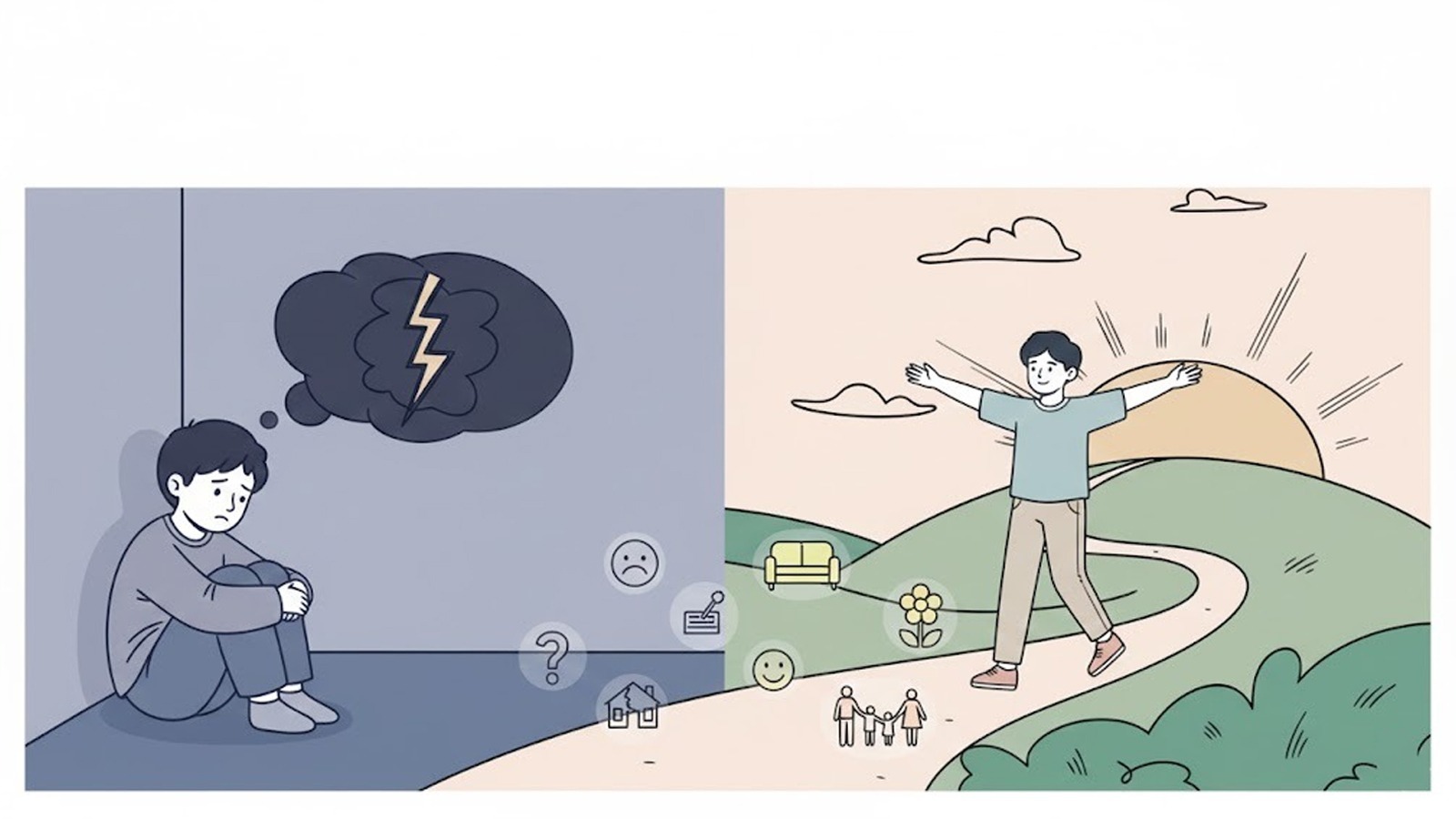
Childhood is often seen as a naturally joyful and carefree phase of life — full of play, exploration, learning, and emotional growth. However, for many children, this period becomes overshadowed by sadness, irritability, withdrawal, and hopelessness. Childhood onset depression is real, more common than most people realize, and can deeply impact a child’s emotional and social development if not recognized early.


The misconception that “kids cannot get depressed” often delays necessary help. But just like adults, children can experience clinical depression that affects how they think, feel, behave, and function at home and school. Early diagnosis and timely treatment can transform a child’s life, helping them grow into emotionally healthy and resilient individuals.


What Is Childhood Onset Depression?


Childhood onset depression refers to persistent sadness, mood changes, and emotional distress lasting for weeks or months — severe enough to interfere with daily life. Unlike adults, children may not always express sadness directly. They may show irritability, anger, behavioral issues, or a lack of interest in activities they once enjoyed.

  • Emotional well-being
  • Cognitive functioning
  • Social relationships
  • Academic performance
  • Physical health

It is important to understand that childhood depression is a medical condition — not stubbornness, attention-seeking behavior, or poor parenting.


Why Childhood Depression Often Goes Unnoticed


Many children suffer silently because adults misinterpret or overlook the warning signs. Contributing factors include:

1. Limited Emotional Vocabulary


Children often cannot articulate their emotions clearly. Instead of saying they are “depressed,” they may say, “I don’t feel good,” or withdraw from activities.

2. Misunderstanding by Parents and Teachers


Symptoms like irritability, refusal to study, or anger may be misunderstood as disobedience rather than emotional distress.

3. Social & Cultural Barriers


In many families, emotional struggles are minimized due to stigma or lack of awareness, making it difficult for children to seek help.

4. Belief That Children Are Always Resilient


Parents often assume children “grow out” of emotional issues, which is not always the case.

5. Symptom Overlap With Other Problems


Academic difficulties, screen addiction, or interpersonal conflicts may mask underlying depression.

Because of these factors, childhood depression frequently remains undetected — sometimes until symptoms become severe.


Symptoms of Childhood Onset Depression


The symptoms of depression in children can be diverse and subtle, ranging from emotional and behavioral changes to physical complaints.

A. Emotional Symptoms


  • Persistent sadness or low mood
  • Irritability or anger
  • Crying without a clear reason
  • Feelings of worthlessness or being unloved
  • Hopelessness (“Nothing will ever get better”)
  • Sensitivity to criticism

B. Behavioral Symptoms


  • Withdrawal from friends or favorite activities
  • Avoiding or refusing to attend school
  • Loss of interest in play
  • Reduced family participation
  • Frequent tantrums or outbursts
  • Poor motivation to study or complete tasks

C. Physical Symptoms


  • Headaches or stomach aches without medical cause
  • Changes in appetite
  • Sleep disturbances (insomnia or excessive sleep)
  • Fatigue or low energy
  • Slow movements or restlessness

D. Cognitive Symptoms


  • Forgetfulness or difficulty concentrating
  • Poor academic performance
  • Negative self-talk
  • Excessive worry
  • Difficulty making decisions

E. Severe / Red-Flag Symptoms


These require immediate psychiatric help:

  • Suicidal thoughts or talking about death
  • Self-harm behaviors
  • Aggressive or violent outbursts
  • Running away from home
  • Sudden decline in daily functioning

Causes & Risk Factors of Depression in Children


Childhood depression is caused by biological, psychological, social, and environmental factors.

A. Biological Causes


  • Brain chemistry imbalance
  • Hormonal changes
  • Family history of depression

B. Psychological Causes


  • Low self-esteem
  • Negative thinking patterns
  • Difficulty coping with stress
  • Emotional hypersensitivity

C. Environmental Causes


  • Academic pressure
  • Bullying or cyberbullying
  • Parental conflict or divorce
  • Exposure to violence
  • Trauma, abuse, or neglect
  • Loss of a loved one
  • Chronic physical illness

D. Social Causes


  • Isolation from peers
  • Excessive screen time
  • Social media comparison
  • Lack of supportive relationships

E. Genetic Vulnerability


Genetics play a significant role — children with a family history of depression may develop symptoms earlier.


How Childhood Depression Affects Learning & Behavior


Impact on Learning


  • Difficulty concentrating in class
  • Poor memory and attention
  • Declining grades
  • Lack of interest in studies

Impact on Social Development


  • Withdrawing from friends
  • Difficulty forming healthy relationships
  • Frequent conflicts with peers or siblings

Long-Term Consequences


  • Chronic depression in adulthood
  • Anxiety disorders
  • Substance misuse
  • Low self-esteem
  • Relationship challenges
  • Academic and career setbacks

This makes early diagnosis and timely intervention essential.
Top 5 Ways to Manage Depression

Read More Reviews

When Should Parents Seek Professional Help?

Parents should consider consulting a mental health professional if:

  • Symptoms persist for more than two weeks
  • Child avoids school or social interaction
  • There is a sudden change in behavior
  • Mood swings become frequent and intense
  • Academic performance declines
  • Child expresses feelings of hopelessness
  • There are signs of self-harm or suicidal thoughts

Timely help can prevent long-term emotional and behavioral difficulties.

Diagnosis of Childhood Depression

Diagnosis requires a detailed and child-friendly approach. A trained child psychiatrist evaluates symptoms, history, and behavior patterns.

1. Clinical Evaluation

  • One-on-one child interview
  • Observation of behavior and mood
  • Assessing emotional development

2. Psychological Assessments

Standardized tools help measure severity and identify related issues.

3. Screening for Coexisting Conditions

Childhood depression often coexists with:

  • Anxiety
  • ADHD
  • Autism Spectrum Disorder
  • Learning disabilities

A comprehensive evaluation helps build a precise treatment plan.

4. Input From Parents & Teachers

Understanding the child’s behavior across different environments — home, school, and social situations — is essential.

Accurate diagnosis is key to effective treatment and long-term recovery.

Treatment Options for Childhood Depression

Childhood depression is highly treatable with the right approach. Treatment is tailored to the child’s age, severity of symptoms, and family environment.

A. Psychotherapy (Primary Treatment)

1. Cognitive Behavioural Therapy (CBT)

  • Helps children identify and change negative thoughts
  • Improves coping skills
  • Encourages problem-solving and emotional regulation

2. Play Therapy

  • Useful for younger children
  • Allows expression through toys, stories, drawings
  • Helps uncover emotional issues in a comfortable manner

3. Family Therapy

  • Addresses family conflicts or communication issues
  • Helps parents understand emotional triggers
  • Builds a supportive home environment

4. Interpersonal Therapy (IPT)

  • Focuses on relationships and communication
  • Builds social confidence

B. Medication (If Necessary)

Medication may be recommended for moderate to severe depression, especially when psychotherapy alone is insufficient. Antidepressants such as SSRIs may be prescribed, monitored closely for safety.

Medication is never the first or only treatment — it is combined with therapy for best results.

C. Lifestyle & Emotional Support

Lifestyle changes play a crucial role:

  • Establishing regular sleep routines
  • Daily physical activity
  • Balanced diet
  • Reduced screen time
  • Limiting social media exposure
  • Encouraging hobbies like art, music, or outdoor play

Small but consistent changes help improve mood and stability.

D. School Support

Schools can support recovery by providing:

  • Access to a counsellor
  • Flexible academic expectations
  • Anti-bullying measures
  • Regular teacher-parent communication

Since children spend most of their day at school, such support is vital.

E. Parent Training & Education

Parents need guidance to understand their child’s emotional needs. Helpful strategies include:

  • Listening without judgment
  • Validating feelings rather than minimizing them
  • Creating predictable routines
  • Encouraging expression of thoughts
  • Avoiding comparisons with siblings or peers

Active family involvement increases treatment effectiveness.

The Role of Parents in Recovery

  • Provide Emotional Safety: A child should feel heard, understood, and supported.
  • Maintain Consistent Routines: Predictability helps reduce stress.
  • Encourage Communication: Let children know they can talk about their feelings openly.
  • Monitor Screen Time: Excessive phone or gaming usage can worsen mood.
  • Stay Involved in Therapy: Attend sessions, follow recommendations, and track changes.
  • Celebrate Progress: Acknowledging small improvements boosts confidence and motivation.

Preventing Childhood Depression

  • Build strong emotional resilience
  • Encourage physical and creative activities
  • Maintain a healthy family environment
  • Reduce excessive academic pressure
  • Promote problem-solving skills
  • Encourage real-world interactions over digital dependency
  • Offer unconditional support

Emotionally secure children are less likely to develop depression.

When Depression Coexists With Other Disorders

Many children with depression also have other conditions.

  • ADHD: Symptoms like hyperactivity, frustration, and emotional dysregulation can overlap with depression.
  • Anxiety Disorders: Children may experience excessive worry, fear, or avoidance.
  • Autism Spectrum Disorder: Emotional expression may be limited, making depression harder to identify.
  • Learning Disabilities: Academic struggles may lead to frustration, low confidence, and depression.

A multi-disciplinary treatment approach ensures that all conditions are addressed comprehensively.

Why Early Treatment Matters

  • Prevent worsening symptoms
  • Improve academic performance
  • Support healthy brain development
  • Reduce long-term emotional difficulties
  • Lower risk of self-harm or substance misuse later
  • Strengthen social and communication skills

The sooner a child receives help, the better their overall emotional and cognitive development.

Role of a Child Psychiatrist

A trained child psychiatrist plays a crucial role in:

  • Accurate diagnosis
  • Monitoring emotional and cognitive development
  • Providing therapy or medication when needed
  • Guiding parents and caregivers
  • Coordinating with schools and therapists
  • Creating a personalized recovery plan

For families seeking expert support, consulting a Psychiatrist in Lucknow can ensure proper evaluation and timely treatment.

How Dr. Saurabh Jaiswal Can Help

  • Child-friendly assessment techniques
  • Evidence-based therapies (CBT, play therapy, family therapy)
  • Safe medication management (if required)
  • Holistic care for emotional and behavioral growth
  • Guidance for parents and teachers
  • A supportive, non-judgmental environment

With years of experience from top medical institutes, he ensures each child receives personalized and effective mental health care.

Conclusion

Childhood onset depression is a serious but treatable condition. Recognizing the symptoms early and seeking professional help can make a life-changing difference. Children thrive when their emotions are acknowledged, supported, and treated with care.

If your child shows signs of sadness, irritability, withdrawal, or behavioral changes, don’t ignore them. Early help leads to brighter futures.

Book Your Consultation


📍 Clinic Address:
Dr. Saurabh Jaiswal | Neuro-Psychiatrist in Lucknow
2/290, Hahnemann Rd, near Sahara (MAX) Hospital,
Virat Khand 2, Gomti Nagar, Lucknow – 226010


📞 Contact: +91 9199187709
🌐 Website: www.drsaurabhjaiswal.com


Find the right guidance for your mental well-being